









Commercial refrigeration is one of the most critical systems in any restaurant. A failing refrigerator, reach-in cooler, or walk-in unit can lead to food spoilage, health violations, and unexpected downtime. The good news is that many early-stage problems can be detected—and sometimes resolved—without calling a technician, as long as the owner or manager knows what to look for.
One of the most common warning signs is inconsistent temperature. If food is not holding at the correct temperature, first check the thermostat settings. It may sound basic, but thermostats are often accidentally adjusted during cleaning or restocking. Next, inspect the door gaskets. Worn, torn, or loose gaskets allow cold air to escape, forcing the compressor to work harder. Cleaning the gasket with warm water and mild soap can restore a proper seal; damaged gaskets should be replaced promptly.
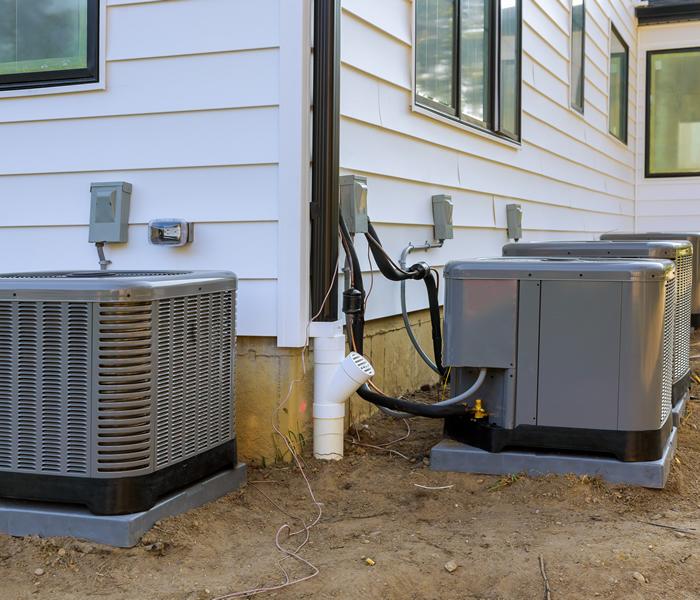
Another frequent issue is poor airflow. Overloaded refrigerators prevent proper air circulation, causing warm spots inside the unit. Ensure products are not blocking internal vents and that shelving allows air to move freely. Externally, check the condenser coils. Grease, dust, and kitchen debris commonly build up on coils in restaurant environments. Cleaning them with a soft brush or vacuum (with the unit powered off) can dramatically improve efficiency and cooling performance.
Unusual noises are another early indicator of trouble. Rattling may point to loose panels or components, while clicking could indicate electrical relay issues. While internal electrical problems should be left to professionals, tightening loose screws or panels is often a simple fix.
Water pooling inside or around the unit is also common. This is often caused by a clogged drain line. Flushing the drain with warm water can resolve minor clogs. Avoid harsh chemicals that can damage internal components.
If the unit is running constantly, check for the causes above—dirty coils, bad door seals, or overloading. Constant operation increases wear on the compressor and raises energy costs.
However, not all problems should be handled in-house. If you notice refrigerant leaks, repeated breaker trips, ice buildup on evaporator coils, or the unit fails to cool after basic checks, continued operation can cause serious damage.
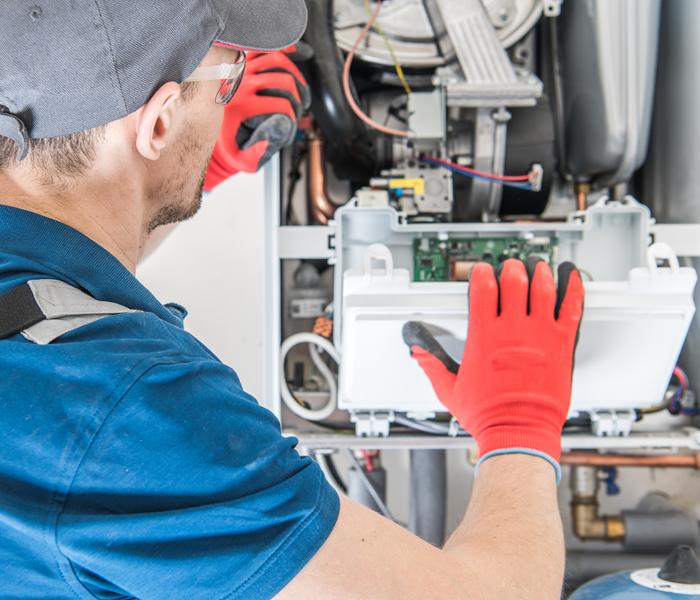
At that point, it is critical to call a qualified commercial refrigeration technician who understands restaurant equipment, food safety requirements, and local health regulations.
For professional commercial refrigeration and major appliance repair in San Mateo, CA, contact Any Appliance Repair Co. at 650-342-8686.