








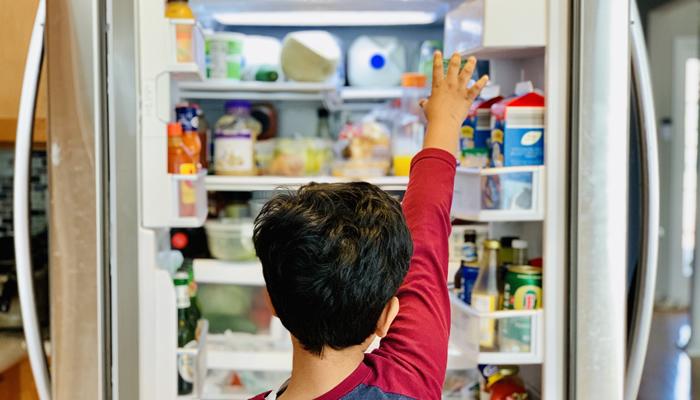

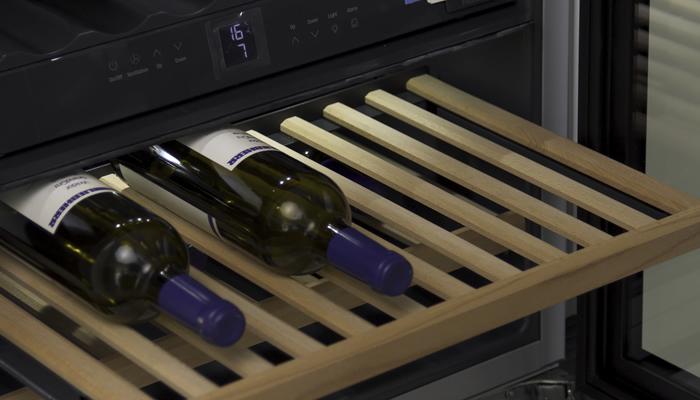
Refrigeration systems are the backbone of many businesses and households. In restaurants and retail environments, reliable commercial refrigeration keeps food safe, preserves inventory, and ensures daily operations run smoothly. In residential kitchens, especially those equipped with premium brands like Sub-Zero, Viking, Thermador, or Miele, refrigeration systems are designed for performance, durability, and precise temperature control.
However, even the most advanced equipment can experience occasional issues. The good news is that many common refrigeration problems have simple solutions that can prevent unnecessary downtime, costly repairs, or food spoilage.
Below are a few common refrigeration problems and practical steps you can take before calling a technician.
1. Refrigerator Not Cooling Properly
One of the most frequent complaints in both commercial and residential units is insufficient cooling. This issue can often be traced back to something simple.
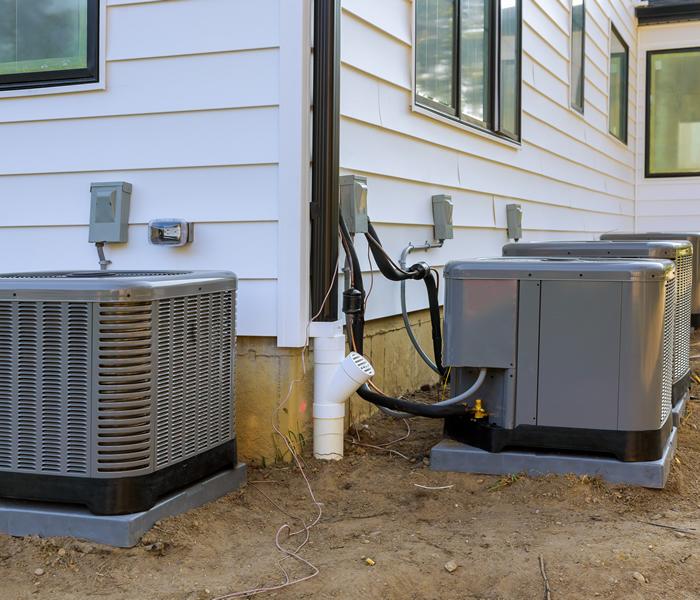
Start by checking the condenser coils. When dust, grease, or debris accumulate on the coils, the system struggles to release heat, reducing cooling efficiency. This is particularly common in restaurant kitchens where grease particles circulate in the air.
Cleaning the condenser coils with a soft brush or vacuum can dramatically improve performance. For commercial kitchens, this maintenance should be done regularly.
Also check that the temperature settings have not been accidentally changed. In busy kitchens or households, controls can easily be bumped.
2. Door Seals That No Longer Close Properly
Another frequent issue involves worn or dirty door gaskets. If the seal around the refrigerator door is damaged or loose, cold air escapes and the compressor must work harder to maintain temperature.
Inspect the gasket for cracks, warping, or food residue. Sometimes simply cleaning the gasket with warm water and mild soap restores its ability to seal properly.
In high-traffic environments like restaurants or convenience stores, gaskets wear out faster due to constant opening and closing. Replacing them is a relatively inexpensive fix that can greatly improve efficiency.
3. Excessive Frost or Ice Buildup
Frost buildup inside the freezer compartment is often related to airflow restrictions or doors that are not closing fully. In commercial walk-ins or reach-in units, blocked vents can prevent proper circulation of cold air.
Make sure products inside the unit are not stacked against the rear vents. Proper spacing allows air to circulate and keeps temperatures stable.
In residential luxury refrigerators such as Sub-Zero or Viking models, frost may also appear if the door is frequently left open or if humidity levels are high.
4. Strange Noises from the Unit
Refrigeration systems naturally produce some sound, but loud buzzing, rattling, or clicking noises can indicate a minor issue.
Sometimes the problem is as simple as a refrigerator that is not level. When the unit sits unevenly, internal components may vibrate during operation. Adjusting the leveling feet can often eliminate the noise.
Another possibility is a loose fan blade or debris near the condenser fan. Clearing obstructions can resolve the issue quickly.
Preventive Maintenance Matters
Routine maintenance is the best way to avoid refrigeration problems. Simple habits—like keeping coils clean, checking door seals, and ensuring proper airflow—can extend the life of both commercial and residential equipment.
High-end refrigeration systems such as Sub-Zero, Viking, and other luxury brands are engineered for longevity, but like all mechanical systems, they benefit from periodic inspection and care.
Need Professional Help?
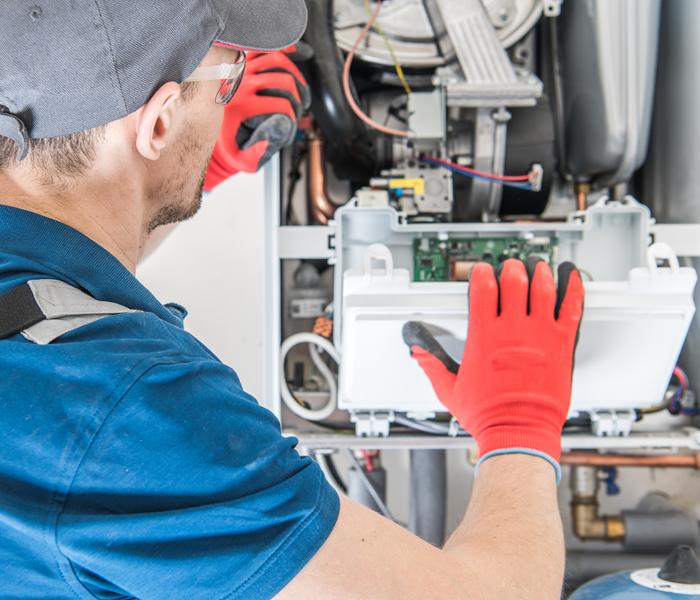
If your refrigeration equipment continues to give you trouble and you haven’t found a solution, call the experts in San Mateo, California.
Any Appliance Repair has been your trusted ally for nearly 30 years.