









In restaurants, bakeries, commissary kitchens, cafés, and food markets, commercial refrigeration is not just equipment — it is business continuity. A single cooler or freezer failure can mean spoiled inventory, health code risks, lost service hours, and unexpected repair costs. For owners and managers, understanding a few practical and technical fundamentals can dramatically reduce breakdowns and extend equipment life.
Start with Temperature Discipline
Consistent temperature monitoring is the foundation of food safety and mechanical health. Walk-in coolers should hold between 34–38°F, and freezers between -10–0°F. Check and log temperatures at least twice per day. If you notice gradual increases or wide fluctuations, don’t ignore them. Small drifts often signal dirty coils, failing fans, or refrigerant issues before a major failure occurs.
Use a calibrated probe thermometer rather than relying solely on built-in displays. Factory thermostats can be off by several degrees.
Keep Condensers Clean
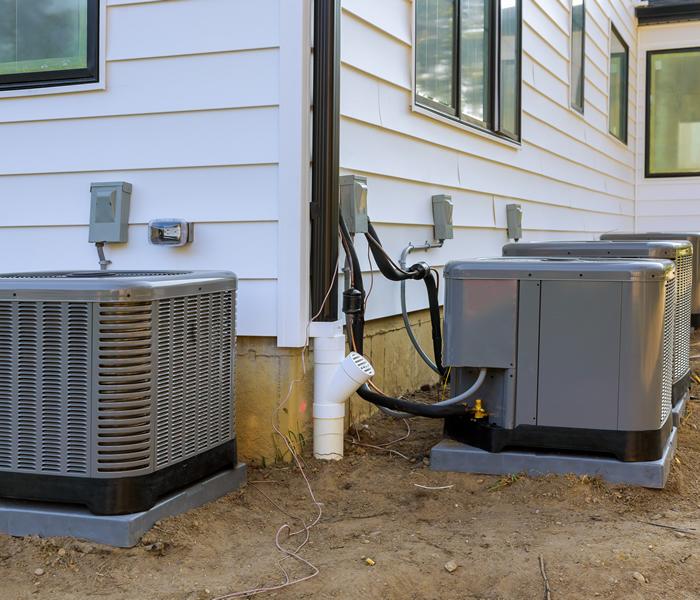
The condenser coil releases heat removed from the box. When it’s clogged with grease, flour, or dust — especially common in kitchens and bakeries — the compressor runs longer and hotter. This increases energy costs and shortens compressor life, which is typically the most expensive component to replace.
Brush and vacuum coils monthly, or more frequently in high-grease environments. Good airflow around the unit is equally important. Avoid storing boxes or supplies against the back or sides of equipment.
Protect Airflow Inside the Box
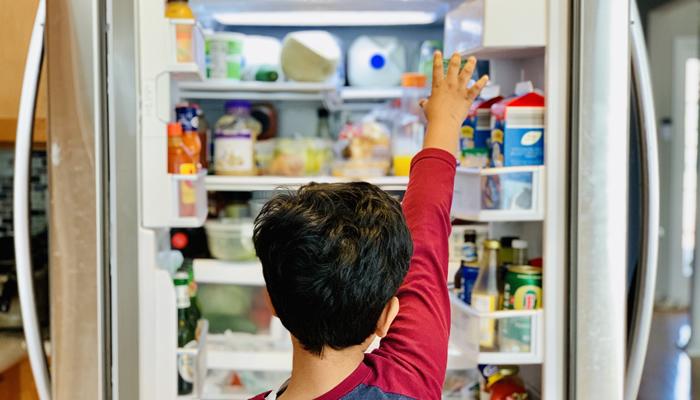
Air circulation is critical. Overloading shelves or stacking product tightly blocks airflow and creates warm spots. Leave at least 20–30% open space inside refrigerators and prep tables. Uneven temperatures cause food spoilage and force longer compressor cycles.
Check evaporator fans regularly. If you hear scraping, rattling, or weak airflow, service may be needed. Poor airflow often leads to frost buildup and ice formation.
Inspect Door Seals and Closures
Door gaskets are small parts with a big impact. Cracked or loose seals allow warm air infiltration, leading to condensation, frost, and excessive run times. Perform a simple “paper test”: close the door on a sheet of paper. If it slides out easily, the gasket isn’t sealing properly.
Also ensure doors self-close and hinges aren’t misaligned. A door left slightly open overnight can overwork the system and create heavy ice buildup.
Watch Drain Lines and Defrost Systems
Clogged drains cause standing water, leaks, and microbial growth. Flush drain lines periodically with warm water. For freezers, monitor defrost cycles. Excessive frost usually indicates a heater, timer, or sensor issue that needs professional attention.
Don’t Neglect Ice Machines
Ice machines are often forgotten until they fail. Clean and descale them on schedule, replace water filters, and maintain proper ventilation. Mineral buildup reduces ice production and stresses components.
Preventive Maintenance Saves Money
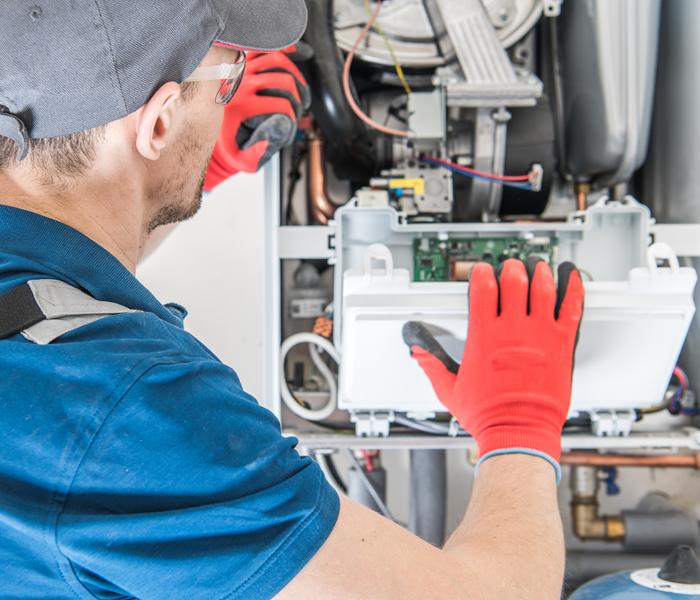
Routine service costs far less than emergency repairs or lost inventory. Partnering with experienced technicians helps detect problems early, maintain efficiency, and stay compliant with health regulations.
For nearly 40 years, Any Appliance Repair Co. has helped food businesses throughout San Mateo keep their commercial refrigeration reliable and efficient. If you want fewer breakdowns, lower energy bills, and peace of mind, schedule a professional inspection today and keep your kitchen running cold when it matters most.