









For convenience stores and supermarkets, refrigeration systems operate continuously and under heavy load. Display coolers, freezers, and walk-in units protect inventory and directly affect daily revenue. While some issues require immediate professional service, many early problems can be identified and addressed by store owners or managers before losses occur.
A key issue to monitor is temperature drift in display cases and freezers. Start by confirming thermostat accuracy. Digital displays can fail or give false readings. Use an independent thermometer to verify actual internal temperature. If readings don’t match, recalibration or thermostat replacement may be needed.
Frost buildup in freezers or ice accumulation around evaporator fans often indicates airflow or defrost issues. First, check whether products are blocking air returns. Overstocking is a common cause. If airflow is clear, inspect door seals. Even small gaps can allow moisture to enter, leading to excessive frost. Cleaning gaskets regularly helps maintain proper sealing.
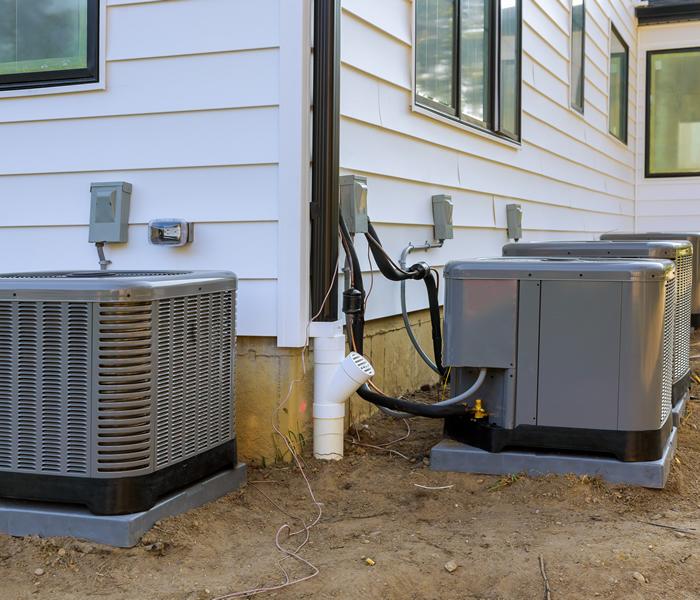
Another common problem in retail environments is dirty condenser coils, especially in stores with high foot traffic and frequent door openings. Dust, lint, and debris reduce heat transfer and strain compressors. Routine coil cleaning—monthly in many cases—can prevent overheating and premature equipment failure.
Water leaks on the sales floor should never be ignored. These are often caused by blocked drain lines or misaligned drain pans. Clearing the drain with warm water can solve simple blockages. Persistent leaks, however, may signal deeper drainage or insulation problems.
Listen closely to your equipment. Buzzing, humming, or grinding noises are early warnings. While loose external components can sometimes be tightened, changes in sound often precede motor or compressor failure and should be evaluated quickly.
One of the most costly mistakes store owners make is ignoring energy spikes. A sudden increase in electricity usage often points to refrigeration units running inefficiently due to dirty coils, failing fans, or refrigerant issues. Addressing these early saves money and extends equipment life.
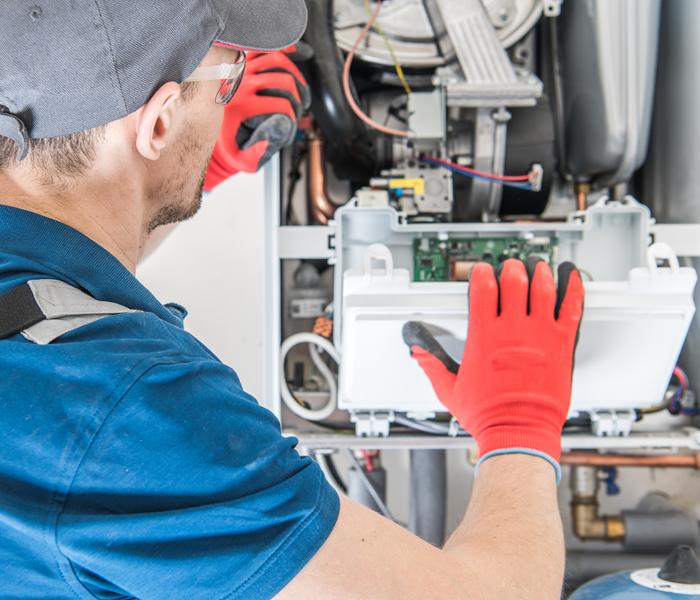
If a unit stops cooling, trips breakers repeatedly, shows oil residue near lines, or displays error codes that persist after reset attempts, do not continue troubleshooting. These conditions require specialized tools, refrigerant handling certification, and experience with commercial systems.
Prompt professional service can prevent inventory loss and regulatory issues.
For expert commercial refrigeration and major appliance repair in the San Mateo area, call Any Appliance Repair Co. at 650-342-8686.